

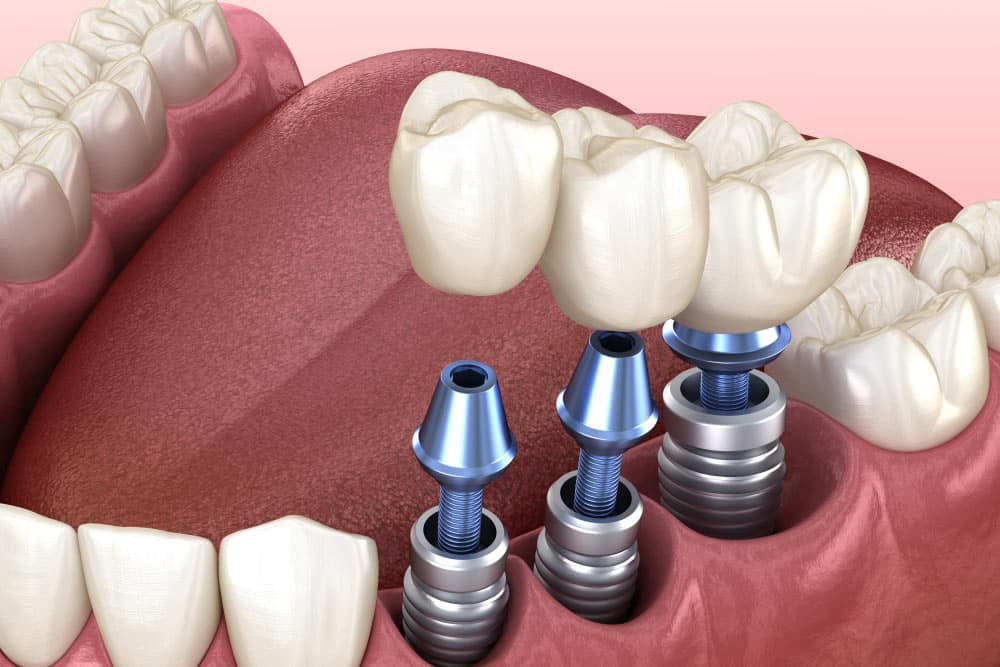
Dental implants have become the gold standard for smile restoration, enabling patients to experience transformative improvements in function and aesthetics. Unlike traditional dentures or bridges, implants anchor securely into the jawbone, mimicking the natural structure of teeth and providing unmatched stability and comfort. Today’s innovations—spanning artificial intelligence, material science, and minimally invasive procedures—are poised to transform dental implantology even further. Patients who once faced limited treatment options now benefit from more predictable results, easier maintenance, and improved oral health. Leading-edge advancements at clinics like ORA 4X provide exciting new options, making personalized care and faster recoveries increasingly common across the field.
As technology advances, the next generation of implants promises improved outcomes, greater accessibility, and greater comfort. Modern digital planning tools and innovative surgical techniques are making implants a feasible solution for a broader group of candidates, including those with complex medical histories or limited bone structure. From virtual consultations easing patient anxiety to 3D-guided surgery that makes procedures quicker and more precise, the future is bright for those considering dental implants. The speed of innovation suggests that what is considered advanced today may quickly become the standard of tomorrow, meaning patients can expect even greater benefits in the years ahead.
Digital Dentistry and AI Integration
Digital workflows, powered by artificial intelligence (AI), are redefining precision and safety in dental implantology. By analyzing high-resolution 3D patient scans, AI-based systems help dentists pinpoint the optimal implant placement, significantly reducing surgical risks and uncertainties. Machine learning algorithms can identify anatomical challenges and propose solutions based on vast databases of successful cases, providing dentists with invaluable insight. Intraoral scanners, digital impressions, and real-time planning software streamline case management, ensuring every step is tailored to the patient’s unique anatomy. AI also helps predict long-term outcomes, further enhancing patient safety. This evolution translates to fewer complications, higher success rates, and a more pleasant experience for patients and dentists alike. As more clinics adopt these digital and AI-driven protocols, the precision, efficiency, and convenience of implant procedures are poised to improve for everyone involved.
Minimally Invasive Techniques
Contemporary patients favor minimally invasive implant surgeries, which leverage advanced tools and innovative surgical approaches to create the least possible disruption to oral tissues. Techniques such as flapless procedures, where the gum tissue remains largely intact, immediate-load implants, and piezoelectric bone surgery deliver less trauma, shorter healing periods, and markedly less discomfort. Compared with traditional methods, these approaches reduce bleeding, swelling, and the risk of infection, thereby improving both physical recovery and long-term outcomes. Laser-assisted implantology further minimizes damage to surrounding tissues and reduces post-operative inflammation. According to the American Dental Association, these methods not only enhance the patient’s physical comfort but also accelerate return to normal daily activities. The overall patient journey is vastly improved, encouraging more individuals to pursue implants without fear of complicated surgery or extended downtime.
Advancements in Implant Materials
While titanium has long been the preferred material for dental implants due to its strength and high success rate, recent advances in materials science are introducing new front-runners. Zirconia implants have emerged as a top alternative, highly valued for their natural appearance, exceptional tissue compatibility, and hypoallergenic properties. These ceramic-based implants are especially popular among patients with metal sensitivities or those seeking a more aesthetically pleasing solution, as zirconia closely resembles tooth enamel. Cutting-edge bioactive coatings and nanotechnology are also being applied to implant surfaces, which stimulate bone growth, speed up healing, and dramatically reduce the risk of implant rejection or infection. Further research into surface modifications and biological enhancements promises to increase long-term implant stability, enabling even higher success rates and reduced complications for future generations of implant recipients.
Same-Day Implant Procedures
Immediate-load and same-day implant systems, such as the All-on-4 and All-on-6 protocols, enable patients to receive functional teeth during a single appointment. Traditionally, dental implant treatment required multiple visits and a lengthy healing phase before the permanent prosthesis could be placed. This advancement is particularly transformative for individuals facing professional demands or physical limitations, as it significantly reduces overall treatment time. With these protocols, patients can avoid wearing temporary dentures and instead reclaim full function with minimal interruption to their daily lives. These methods minimize the downtime traditionally associated with implant dentistry, reducing inconvenience, anxiety, and the number of clinical visits required. Recent studies show that same-day protocols, when applied to select candidates, provide outcomes on par with conventional methods, while greatly enhancing satisfaction and quality of life.
3D Printing and Guided Surgery
Advanced 3D imaging and printing technologies are now used to fabricate patient-specific surgical guides and prosthetic components. Digitally designed guides guide each step of implant placement, eliminating guesswork and optimizing every angle and position. Guided surgery ensures implants are placed with unmatched accuracy, while custom 3D-printed drills and guides allow dentists to perform precise, minimally invasive ‘keyhole’ surgeries. The increased accuracy afforded by these tools has resulted in fewer complications, better integration with the jawbone, and superior long-term results. This technique has cut surgical times and significantly enhanced healing, pushing the industry toward a future of highly predictable outcomes. Additionally, 3D printing lets practitioners create customized crowns, bridges, and abutments quickly, ensuring each restoration harmonizes perfectly with the patient’s smile and bite.
Smart Implants and Osseointegration Monitoring
A new era of “smart” implants is dawning, in which microsensors embedded in dental implants can transmit data on implant integration and stability to the dentist in real time. These smart systems monitor vital parameters such as load, temperature, and pressure, all of which are essential to confirm the successful bonding of the implant to the bone—a process known as osseointegration. This capability allows clinicians to monitor bone healing and osseointegration, optimize the timing of final restorations, and quickly address complications before they escalate, all of which can create an ideal patient experience. As technology matures, smart implants may even help guide post-surgery care or automatically alert both patients and providers when corrective action is needed, ultimately minimizing the risk of failure and maximizing long-term oral health.
Tele-Dentistry and Remote Consultations
The adoption of tele-dentistry has soared following recent global health challenges, making virtual consultations and remote follow-ups routine in many practices. Through secure video platforms, patients can consult with implant specialists, discuss concerns, and receive expert advice without leaving home. Patients benefit from greater accessibility and convenience, particularly those in remote areas or with mobility constraints. Digital monitoring tools support seamless follow-up care and enable dentists to review healing progress with minimal interruptions to the patient’s schedule. In addition to lowering barriers to specialist care, these tools expedite communication and promote better outcomes by ensuring timely intervention when issues arise—the future points toward an increasingly interconnected dental care experience, where expert care is always within reach.
Cost-Effective and Customized Solutions
As digital dentistry becomes widespread, manufacturers are introducing more affordable implant options to the market. Digital workflows, bulk manufacturing, and innovations in logistics are all contributing to reducing costs without sacrificing quality. Simultaneously, the ability to design and produce patient-specific implants is resolving long-standing issues of fit and function. Advanced digital scans and CAD-CAM designs enable the creation of individual restorations that feel and function like natural teeth, eliminating unnecessary appointments for adjustments. More patients than ever can now access world-class implant care without financial hardships, fostering an era of dental equity and customized results. This democratization of technology is a turning point that will allow even more people to benefit from high-quality restorative care.
In conclusion, continuous advances in dental implantology are paving the way for improved aesthetics, comfort, efficiency, and accessibility. Each new step forward gives patients access to better diagnostics, more reliable procedures, and a smoother overall experience. As innovations take shape, patients can look forward to more personalized and successful implant experiences that meet the demands of modern lifestyles and healthcare expectations. With the trajectory of progress in digital dentistry, the future of dental implants is not only promising but already transforming lives every day.
Conclusion
The future of dental implants is defined by innovation, precision, and a strong focus on patient-centered care. Advances in digital dentistry, AI, materials science, and minimally invasive techniques are not only improving success rates but also making implant treatment more accessible, comfortable, and efficient than ever before. From same-day solutions and smart implants to personalized, cost-effective restorations, these developments are reshaping expectations for both patients and providers. As technology continues to evolve and clinics adopt these cutting-edge approaches, dental implants will remain a transformative solution—restoring smiles, confidence, and quality of life for countless individuals well into the future.
