

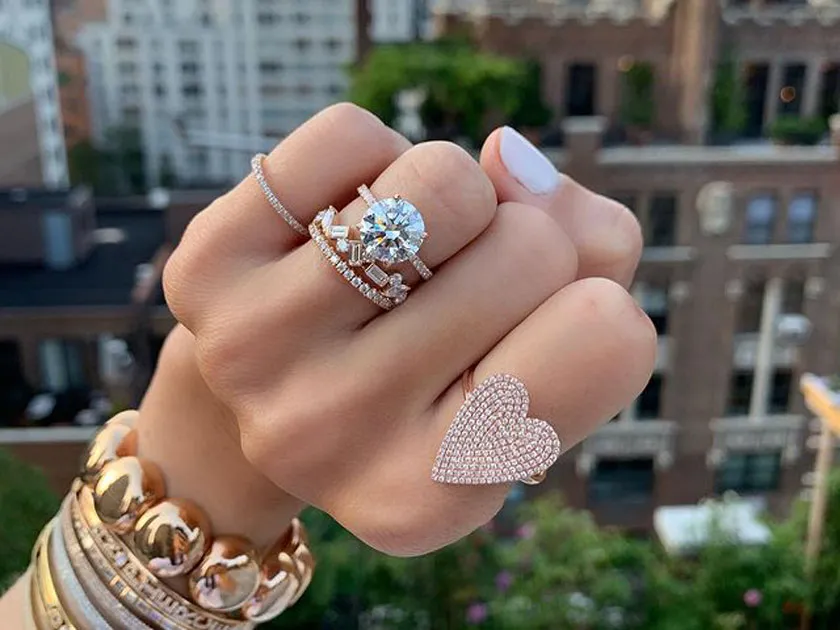
The journey to finding the perfect engagement ring is not just about style and symbolism; for many couples today, it’s about values and ethical responsibility. Modern consumers are increasingly aware of the widespread ethical and environmental concerns associated with traditional jewelry, prompting them to explore more sustainable and responsible alternatives when making such a meaningful purchase. The jewelry industry has historically been linked to environmental degradation and social injustices, which is why many buyers are seeking to make a positive statement through their choices. One standout trend is the rise of lab grown diamond rings for sale, which offer both beauty and peace of mind for those wishing to celebrate love without compromise. The market for sustainable jewelry has grown significantly as couples now want their rings to symbolize not just their love but also their commitment to the world they share.
Traditional mining practices associated with conventional diamonds and metals often raise concerns about ecological damage, conflict, and unfair labor conditions. Open-pit diamond mines can leave deep scars on landscapes, disrupt ecosystems, and require vast amounts of energy and water. Additionally, the mining industry has frequently faced criticism for unsafe labor conditions, low pay, and even links to conflict financing in certain regions. As a result, couples now seek rings that tell a deeper story—one of environmental stewardship and social care—while still capturing the magic of a life-changing moment.
Lab-Grown Diamonds: A Sparkling Alternative
Lab-grown diamonds have quickly become one of the most popular options for couples wanting a guilt-free sparkle. Produced using advanced technological processes that replicate the intense heat and pressure of the Earth’s core, these stones are virtually indistinguishable from their mined counterparts in terms of appearance, brilliance, and chemical composition. In fact, even highly skilled gemologists often require specialized equipment to tell the difference between a lab-grown and a mined diamond. What sets them apart is their minimized environmental footprint: lab-created diamonds significantly reduce land disturbance, water usage, and carbon emissions compared to traditional mining operations, as they avoid the destructive extraction methods that have historically characterized the industry.
Moreover, lab-grown diamonds bypass many of the social pitfalls associated with traditional mining, such as unsafe working conditions and conflict financing, which have contributed to so-called “blood diamonds.” With increasing transparency, buyers can trace the origin of their diamonds and rest assured they are making a responsible investment. Reports from major outlets have noted the meteoric rise in demand for lab-created diamonds as younger generations seek ethical alternatives. As technology advances and production becomes increasingly efficient, the accessibility and affordability of lab-grown diamonds continue to improve, making them a practical and responsible choice for an ever-growing number of engaged couples.
Recycled Metals: Embracing the Circular Economy
The sustainability movement has extended beyond gemstones to the very bands that hold them. Rings crafted from recycled metals—such as gold, platinum, or silver—are a testament to the principles of the circular economy, where resources are reused rather than discarded. Mining for precious metals is traditionally a resource-heavy and polluting process, resulting in deforestation, soil degradation, and contaminated waterways. By choosing recycled metals, couples participate in a solution that reduces the need for virgin materials and helps keep valuable resources in circulation. Recycled metals are refined to their purest forms, ensuring the same high quality as newly mined metals but without the ecological fallout of digging new mines. This shift not only conserves untouched landscapes but also lowers greenhouse gas emissions and energy consumption during production, offering an effective way for individuals to lessen their environmental footprint.
The decision to choose recycled metals can also support environmental organizations and responsible refiners, signaling a collective commitment to better business practices in the jewelry industry. Many ethical jewelers now actively partner with nonprofit organizations or certification programs to ensure that their sourcing meets the highest sustainability standards. Recycled gold and platinum in jewelry is now a preferred choice among conscientious consumers concerned about sustainability. Ultimately, choosing recycled metals is a practical and meaningful step toward a greener future, empowering buyers to influence positive industry change through their everyday decisions.
Vintage and Antique Rings: Timeless and Eco-Friendly
Vintage and antique rings combine sustainability with a one-of-a-kind flair that new rings often lack. By opting for pre-loved pieces, buyers avoid triggering new production demands and instead preserve the artistry of past eras. These rings, sourced from previous generations, are imbued with both character and history, making them deeply personal tokens of commitment. Many of these rings tell their own stories, adding layers of meaning to the proposal, while also embodying the values of reuse and conservation. They can also offer surprising value, often costing less than contemporary styles for a comparable level of craftsmanship and detail, particularly as many were meticulously handcrafted in ways rarely seen today.
This approach to sustainability goes beyond simple eco-friendliness; it invites wearers into a historical legacy, linking generations through shared symbols of love. The charm of vintage jewelry has contributed to a cultural revival, as more people appreciate the uniqueness of rings sourced from decades or even centuries past. Shopping vintage can also be a thrilling treasure hunt, as each piece has its own unique personality. Some jewelry stores even offer customization or restoration services to help couples add a personal touch while preserving the piece’s original beauty. Ultimately, purchasing a vintage or antique engagement ring is a gesture of environmental respect and a tribute to enduring craftsmanship.
Ethically Sourced Colored Gemstones: A Unique Touch
Beyond diamonds, ethically sourced colored gemstones such as sapphires, emeralds, and rubies are gaining popularity in the engagement ring market. These stones can be mined and distributed through operations that respect both the environment and the well-being of local communities. Responsible gemstone sourcing involves ensuring safe working conditions, fair wages, community development, and environmentally conscious extraction techniques that minimize ecological harm. In regions where gemstone mining serves as a primary source of livelihood, improved standards can deliver meaningful benefits for workers and surrounding ecosystems.
Couples seeking to tell a unique story often gravitate toward colored gemstones as a vibrant, standout alternative. Transparent supply chains and third-party certifications help buyers verify the origins and ethical integrity of their chosen gems. Educational guides and industry reports are increasingly highlighting how traceability and improved mining practices are transforming the gemstone sector into a more sustainable and accountable industry. With certification programs and responsible sourcing networks becoming more accessible, it’s now easier for buyers to ensure their stones align with their values. Ethically sourced colored gemstones empower couples to create custom rings that symbolize not only love, but also integrity, responsibility, and global awareness.
Eco-Friendly Jewelers: Beyond the Product
The commitment to sustainability does not end with the product alone—it extends to the makers as well. Eco-conscious jewelers uphold high environmental and social standards throughout their business practices by employing recycled materials, minimizing waste in the studio, utilizing renewable energy when possible, and favoring recyclable or biodegradable packaging. Many jewelers take it a step further by donating a portion of their profits to environmental or social causes. Certifications, such as Fairmined, or membership in organizations like the Responsible Jewellery Council, help verify that a jeweler’s ethos is truly sustainable, while ongoing transparency builds customer trust.
Supporting eco-friendly jewelers is a way to advocate for broader change within the jewelry industry. By choosing to buy from companies that are transparent in their sourcing and production, couples nurture a culture of responsibility and inspire others to make similar choices. These efforts culminate in engagement rings that are not just symbols of love, but also of hope for a better world. When buyers support ethical jewelers, they help shift industry standards and amplify the collective impact of mindful purchasing.
Conclusion
The search for the perfect engagement ring need not come at the expense of environmental or social well-being. From lab-grown diamonds and recycled metals to treasured antiques and responsibly sourced colored gemstones, today’s couples have more options than ever for expressing their values alongside their love. By prioritizing sustainable choices, couples set a meaningful precedent—not only for their own union, but also for future generations who hope to inherit a kinder, more ethical world. Ultimately, choosing a sustainable engagement ring is about creating a beautiful and lasting symbol that reflects personal ethics, environmental care, and a vision for a better future.
