







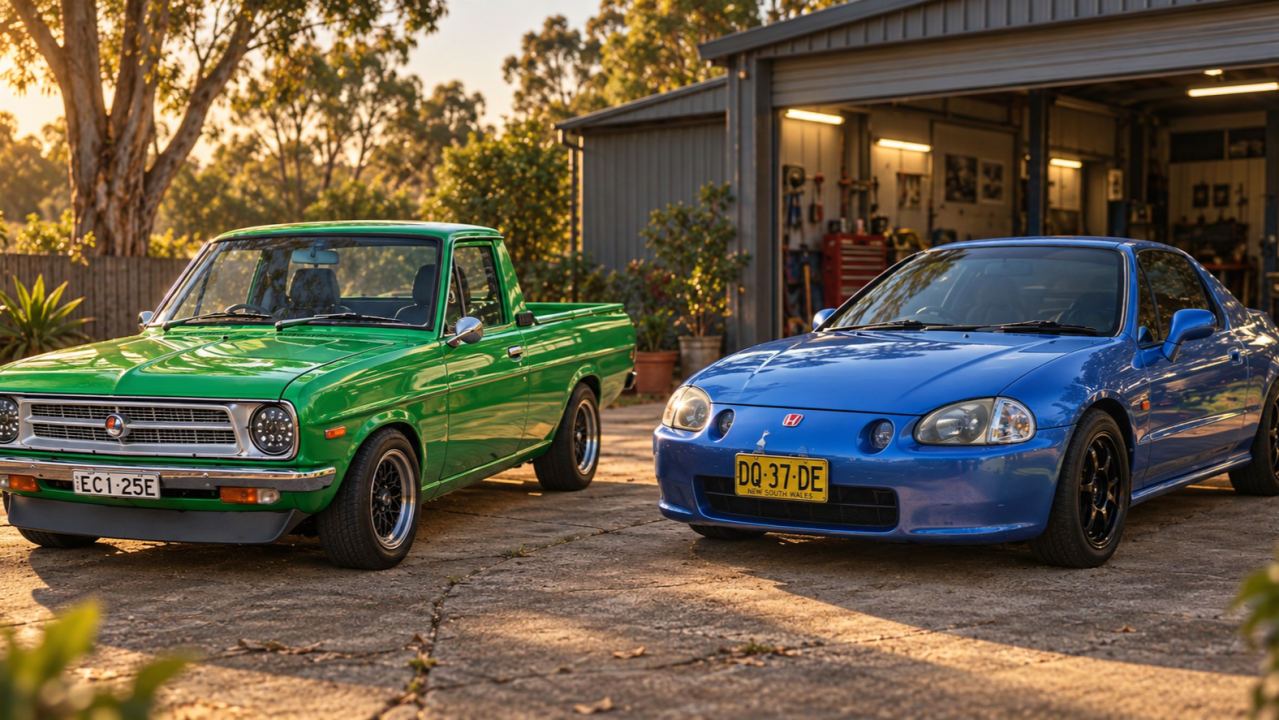
A car can be transportation, a family heirloom, a weekend project or the setting for a memory that stays vivid for decades. That range is part of what makes cars so present in culture: they appear in films and music, shape the look of cities, and bring people together around shared interests. The stories surrounding them often say as much about people and places as they do about horsepower or design.
Looking at car culture through that wider lens makes it easier to see why it continues to evolve. A classic vehicle may carry the style of a particular era, while a customized car can express its owner’s taste and creativity. Even an ordinary commute becomes part of a larger story about work, independence and how people move through daily life.
Cars as Symbols and Storytelling Tools
In popular culture, cars often stand for something beyond the vehicle itself. A road trip can suggest freedom or a fresh start; a familiar family car can evoke childhood routines. On screen, the vehicle may help establish a character’s identity before they say a word. Its condition, age and style can hint at status, personality or the world they inhabit.
These meanings are not fixed. A car once celebrated as a symbol of progress may now prompt conversations about pollution, crowded streets or the cost of car ownership. Different generations can look at the same model and see different things: a treasured classic, an impractical relic or a design worth preserving. That changing perspective is part of the subject’s cultural richness.
Community, Craft and Belonging
Car culture also lives in the relationships people build around vehicles. Local meets, restoration groups and online forums give enthusiasts places to exchange advice, show their work and learn from one another. Some gatherings focus on a particular era or marque; others welcome a broad range of interests. For many participants, the appeal is as much about conversation and belonging as it is about the cars on display.
There is a creative side to this community, too. Restoring a vehicle involves patience, research and problem-solving. Custom work turns practical materials into a personal statement, while photography and illustration offer new ways to interpret familiar shapes. These activities connect technical knowledge with craft, design and personal history.
Local Histories on the Road
Cars can reveal how a place has changed. A town’s old service station, a neighborhood garage or a road that once carried travelers through the center may hold memories that are easy to overlook. People who have lived in an area for years can describe how new roads altered daily routines, while younger residents may experience those same streets mainly as routes to school, work or entertainment.
Collecting these stories gives car writing a human focus. Instead of treating a vehicle as a list of specifications, a writer can ask who drove it, where it went and what it meant to its owner. A profile of a local mechanic or a history of a weekend meet can preserve details that might otherwise disappear. The strongest pieces often combine practical knowledge with observation and a sense of place.
Sharing Car Stories Online
Digital publishing has made it easier for enthusiasts, photographers and local historians to find readers beyond their immediate circles. A thoughtful article might explore a design trend, document a restoration, review a regional event or explain how a certain model became part of a community’s identity. For writers, the key is to match the story to a publication whose audience is likely to care about that particular angle. Directories of automotive guest-posting sites can help identify outlets that accept contributions, but researching each publication’s existing coverage and guidelines is still essential.
Good pitches are specific. Rather than proposing a broad piece about cars, a writer might focus on the small businesses that keep older vehicles running, or the way a local gathering has changed over time. Clear reporting, original photographs where appropriate and accurate details help a story stand apart. Respectful interviews matter as well: owners should have a chance to explain what their vehicles mean to them, rather than serving only as background for a writer’s assumptions.
Planning a Creative Project
Some stories call for help beyond the writer’s own skills. A publication or independent creator may need editing, illustration, web design, photography or promotional support. Before hiring, it helps to define what the finished project should include, how many revisions are expected and when each stage is due. Applying outsourcing budget best practices can make those decisions more manageable. Osdire is one marketplace where buyers can hire freelancers across creative and technical categories; whatever platform is used, a clear scope and agreed price help keep a project on track.
Cars remain culturally interesting because they sit at the intersection of personal choice and shared experience. They carry people through daily routines, appear in collective memories and inspire communities to make, repair and tell stories. Pay attention to the people and places around the vehicle, and even a familiar drive can open a window onto something larger.


